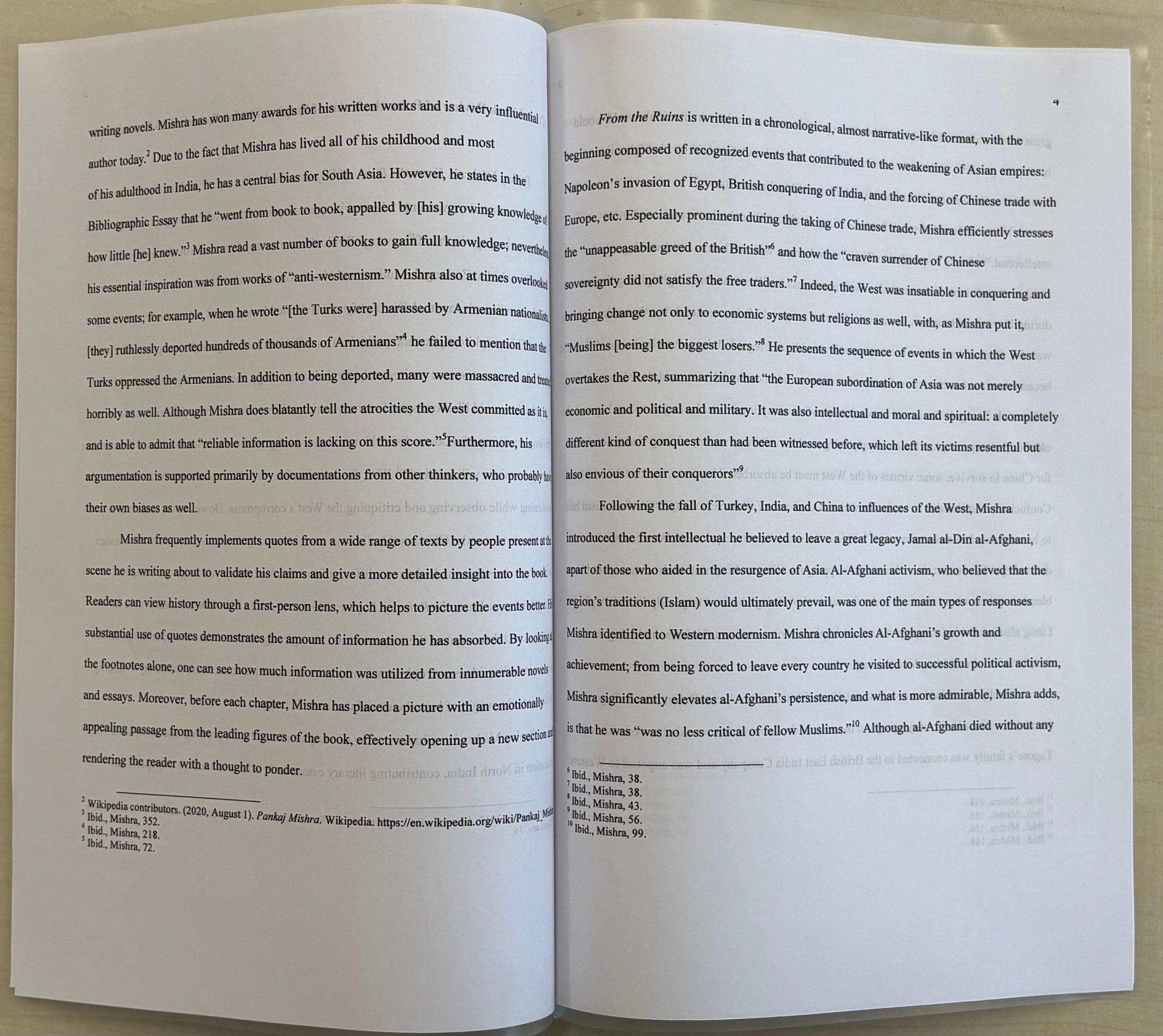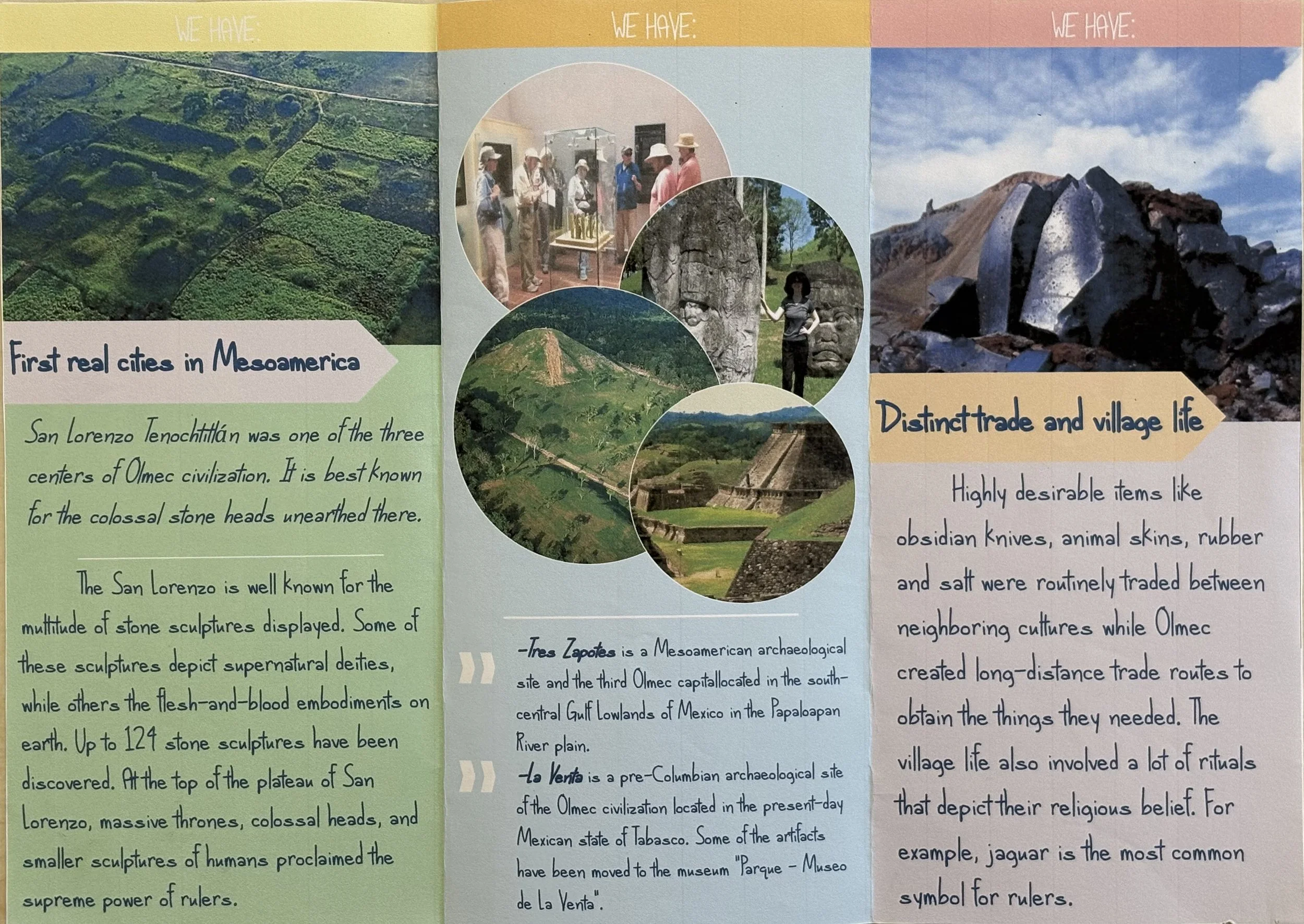
What Students Built
These samples represent different ways I have asked students to demonstrate historical understanding across courses and grade levels. My assessments have ranged from visual storytelling and historical simulation to research-based creative work and formal historical criticism. While the products vary, the underlying expectations remain consistent: students must research carefully, identify significance, make connections, communicate for an audience, and use evidence to construct historical understanding.
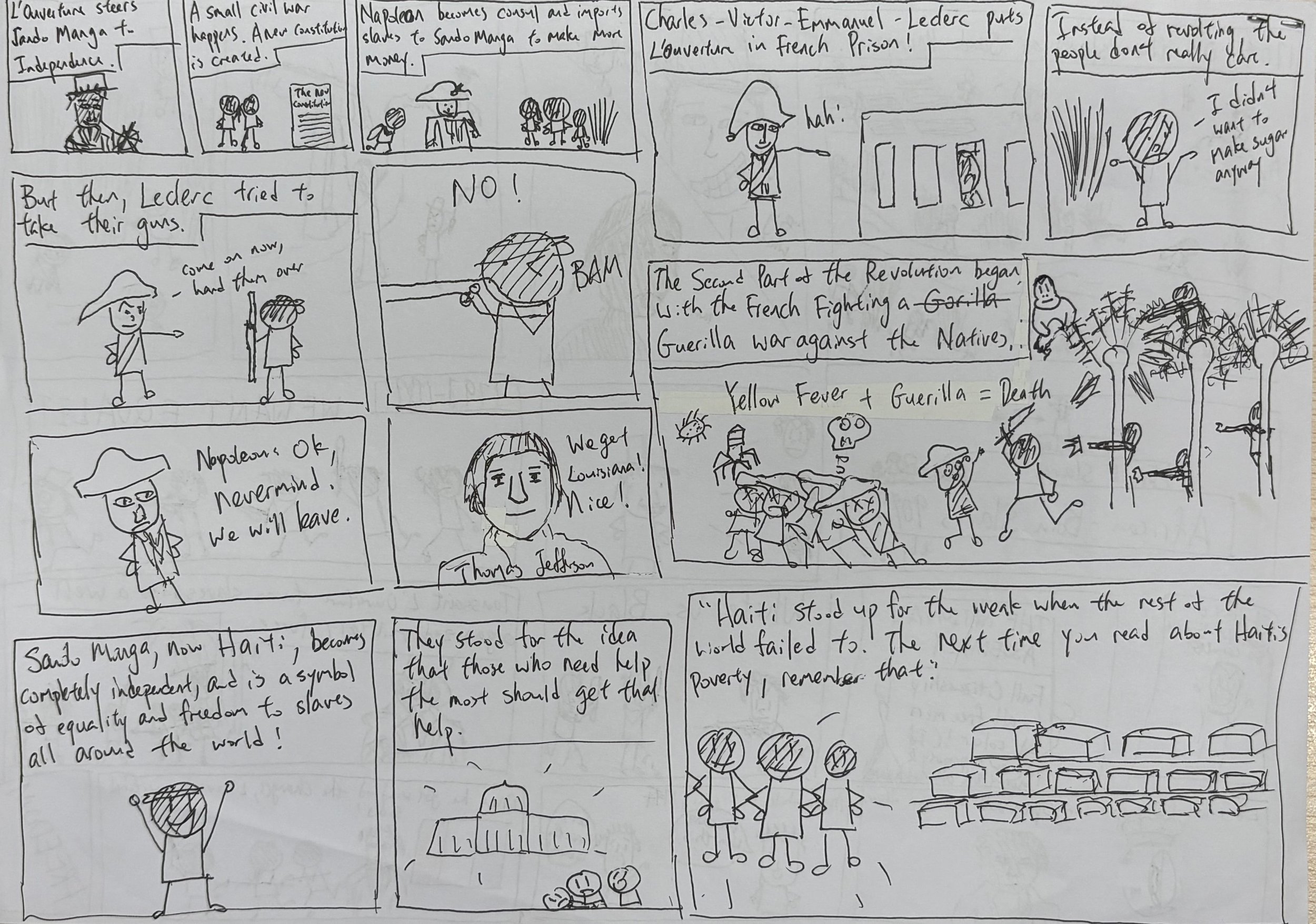
Haitian Revolution Comic
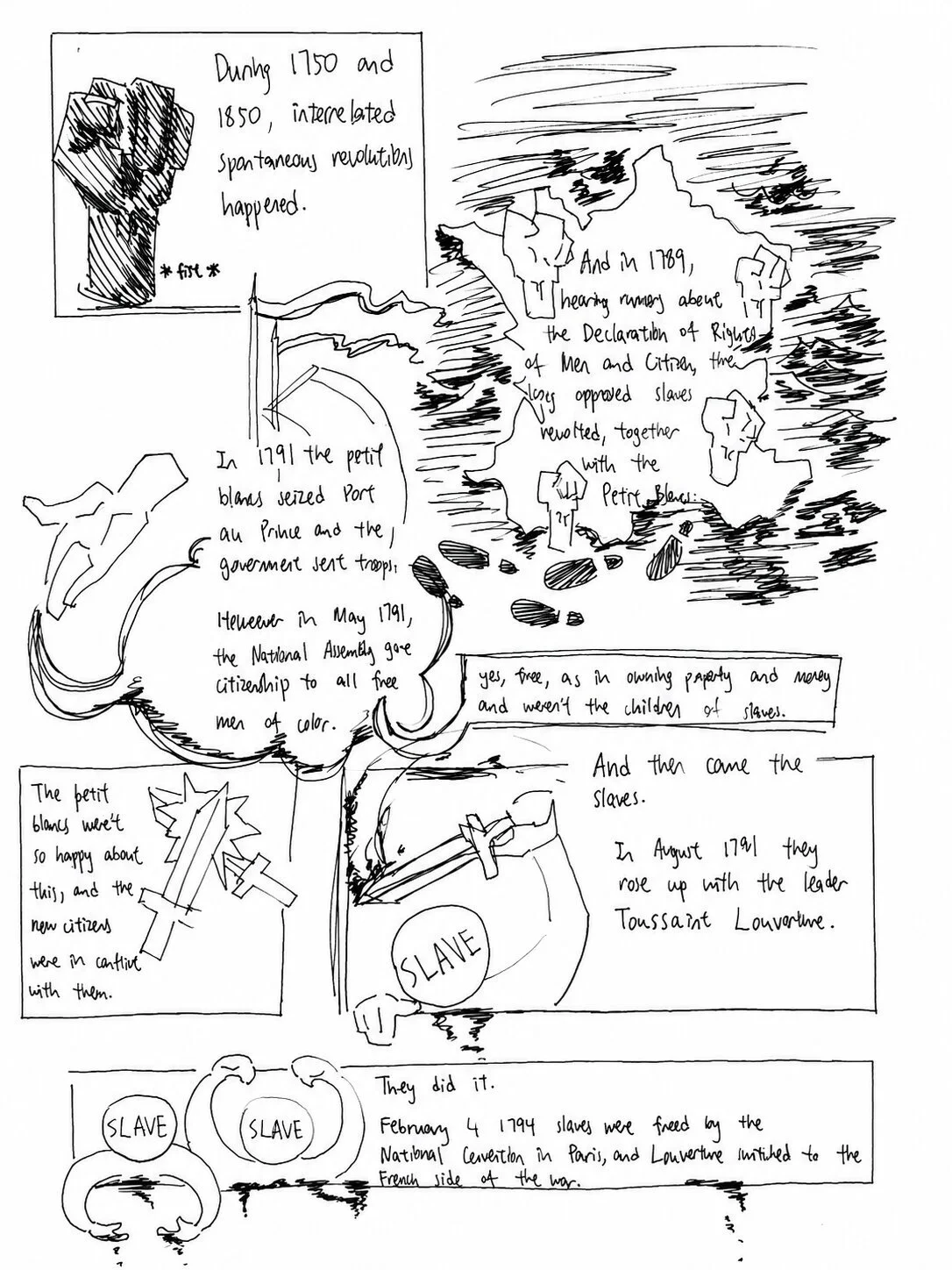
Historical Narrative & Synthesis
Students transformed their study of the Haitian Revolution into a visual historical narrative, tracing the revolution from its origins in Saint-Domingue through independence. The format required students to select significant developments, establish chronology and cause-and-effect relationships, and communicate a complex revolutionary process concisely. The project emphasized historical synthesis: students could not simply reproduce their notes, but had to decide which events and ideas were essential to telling the story.
Ancient China Production: One-Pager & Timeline
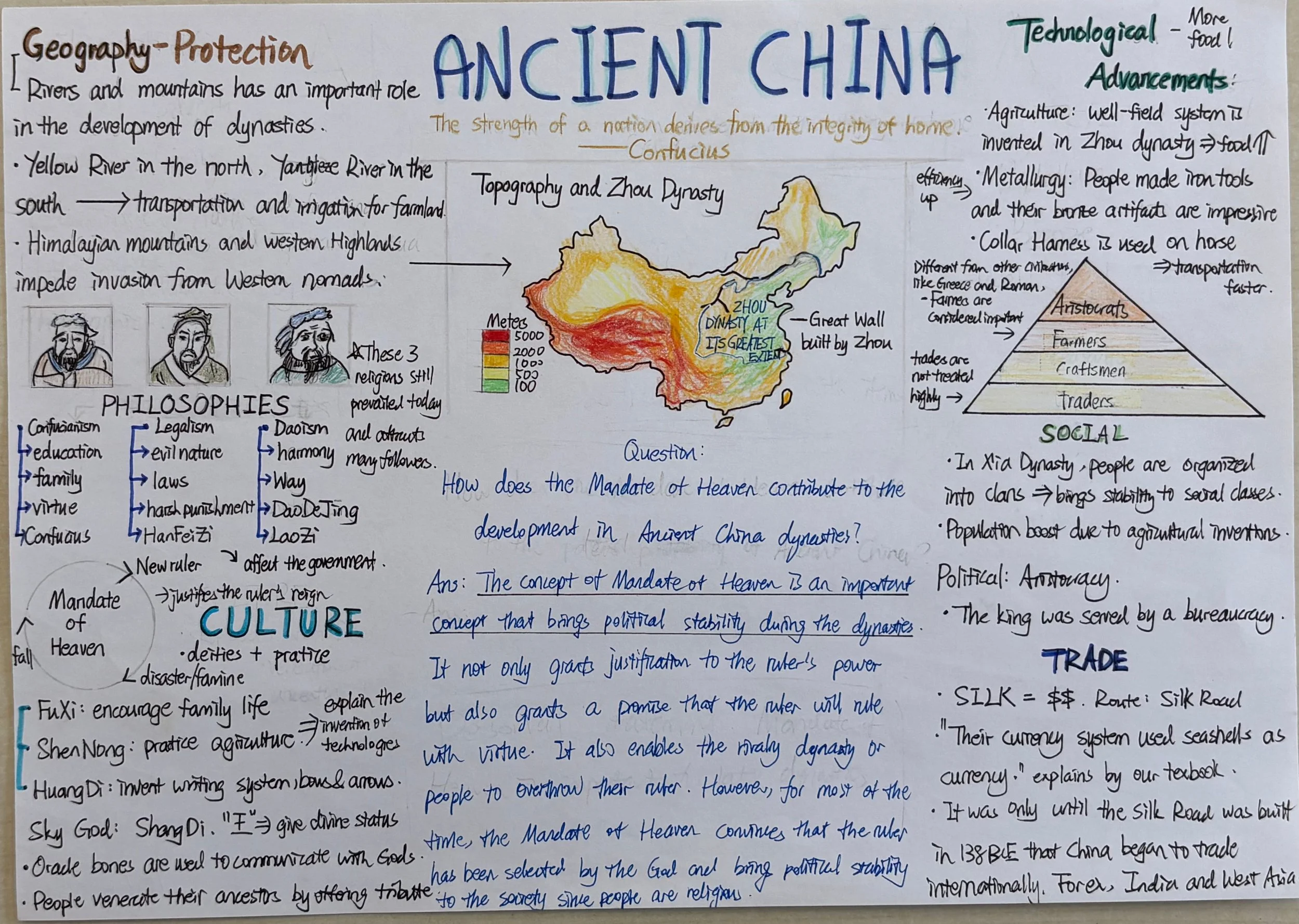
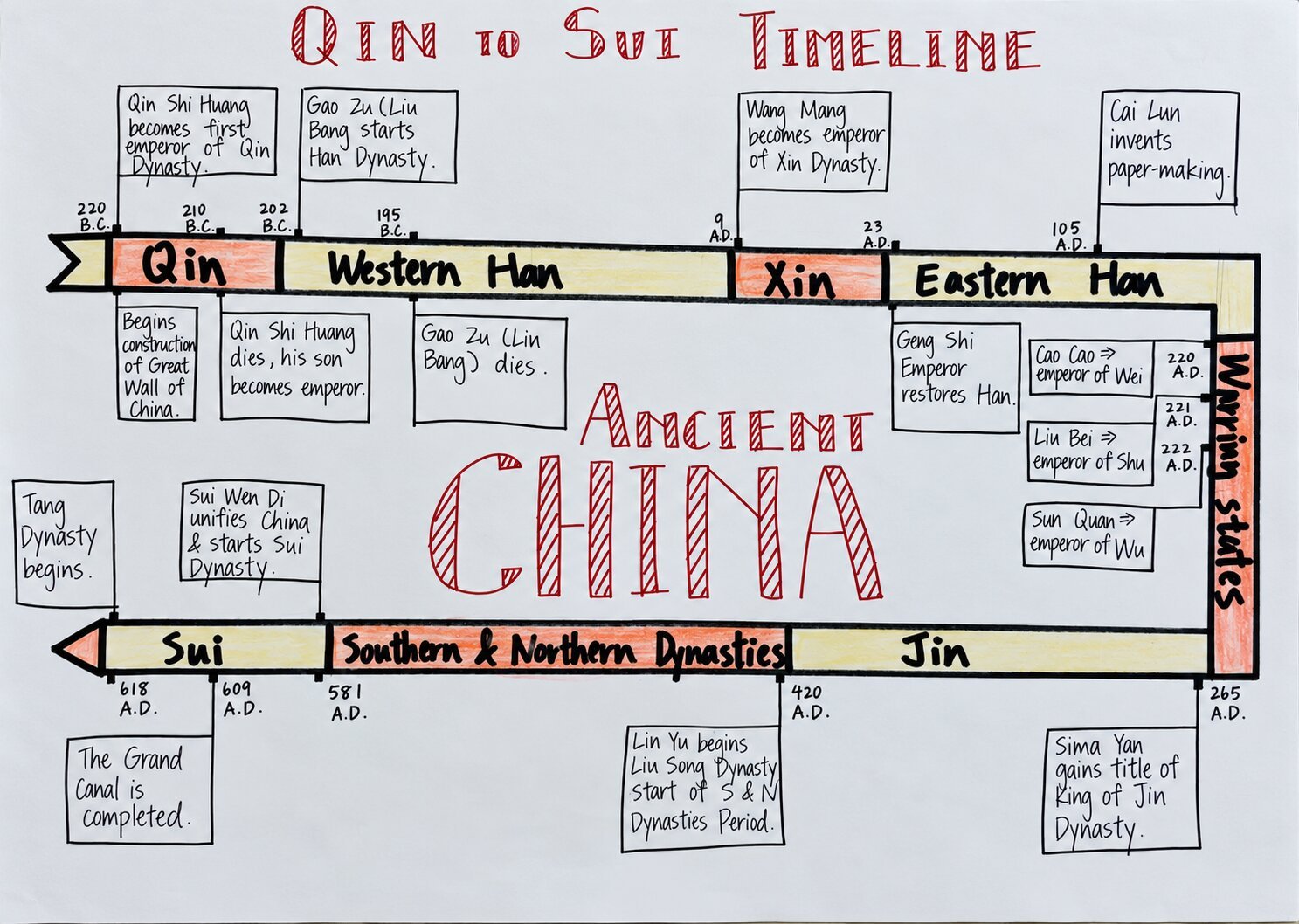
Choice in Demonstrating Historical Understanding
Students synthesized their study of Ancient China through a visual one-page product, with a choice of formats including a thematic one-pager or chronological timeline. Regardless of format, students were responsible for identifying significant political, social, cultural, geographic, and technological developments and showing relationships among them. Providing different pathways allowed students to exercise creativity and ownership while working toward common historical learning objectives.
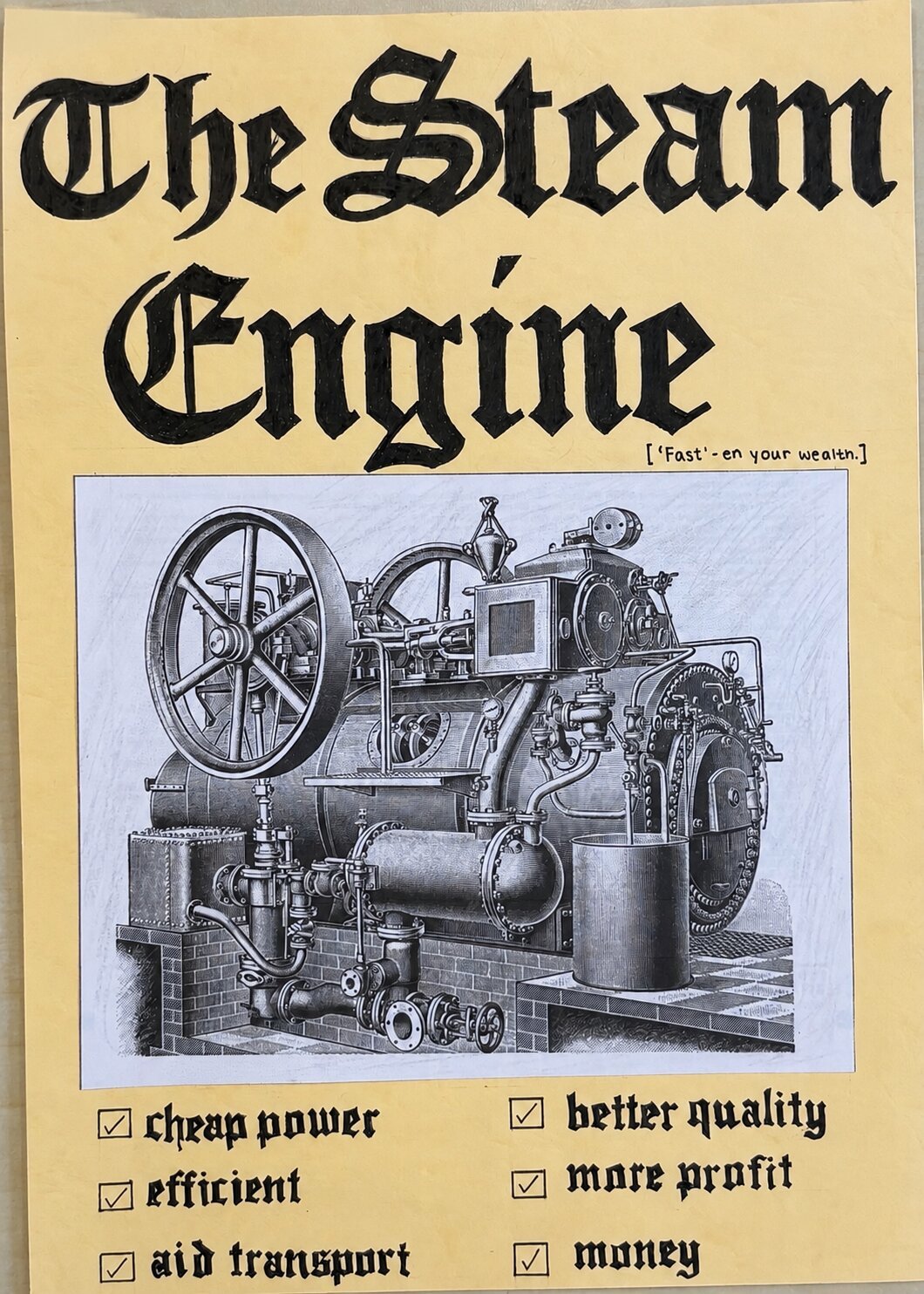
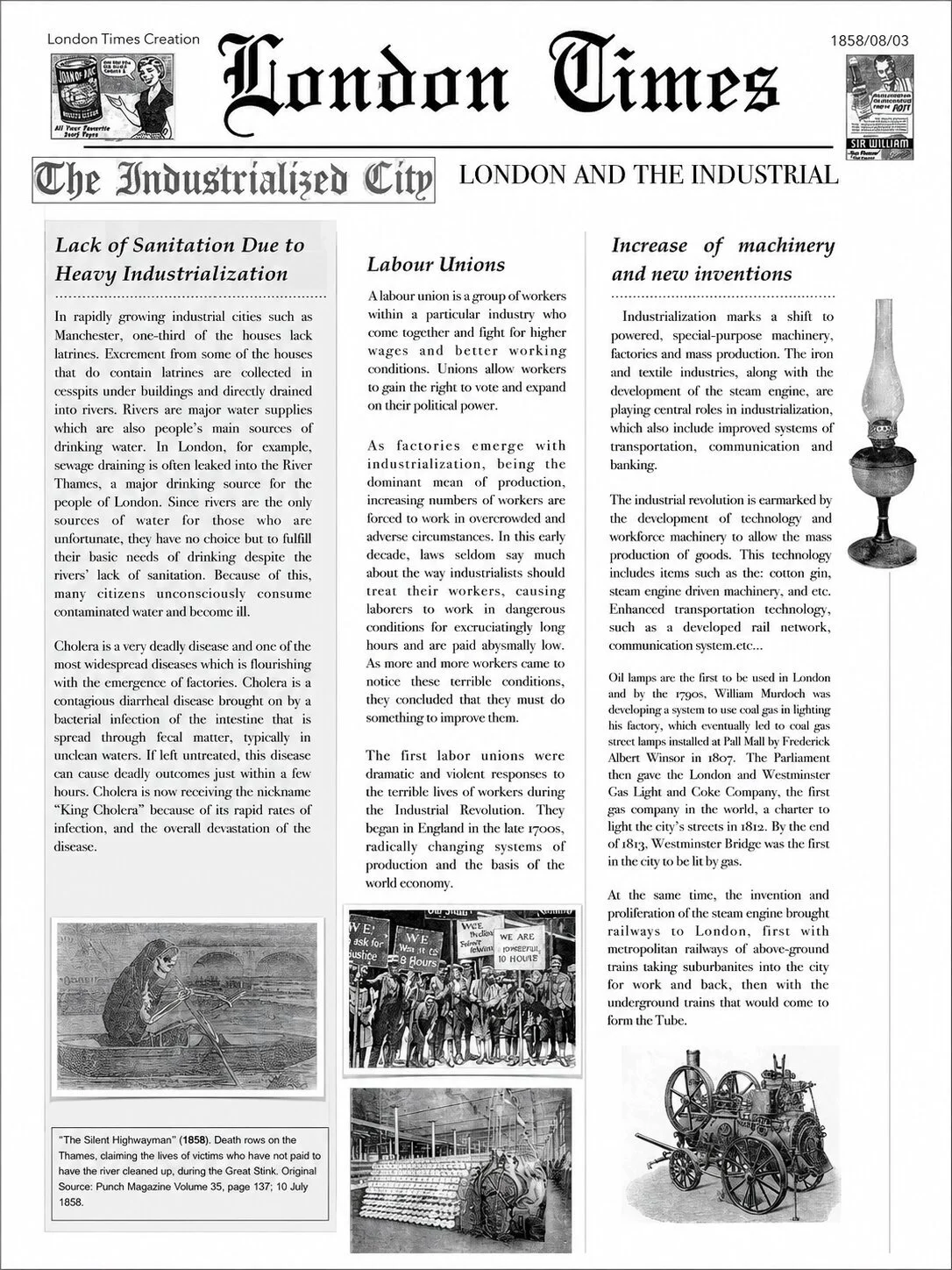
Industrial Revolution Production: Newspaper & Advertisement
Historical Perspective & Authentic Communication
Students explored industrialization through historically inspired media, choosing how to communicate their understanding of the economic, technological, and social transformations of the Industrial Revolution. Products included newspapers examining urbanization, labor, sanitation, and technological change, as well as period-style advertisements promoting industrial innovations. The assignment required students to combine historical research with audience, perspective, and purpose rather than treating historical knowledge as information to be reproduced on a test.
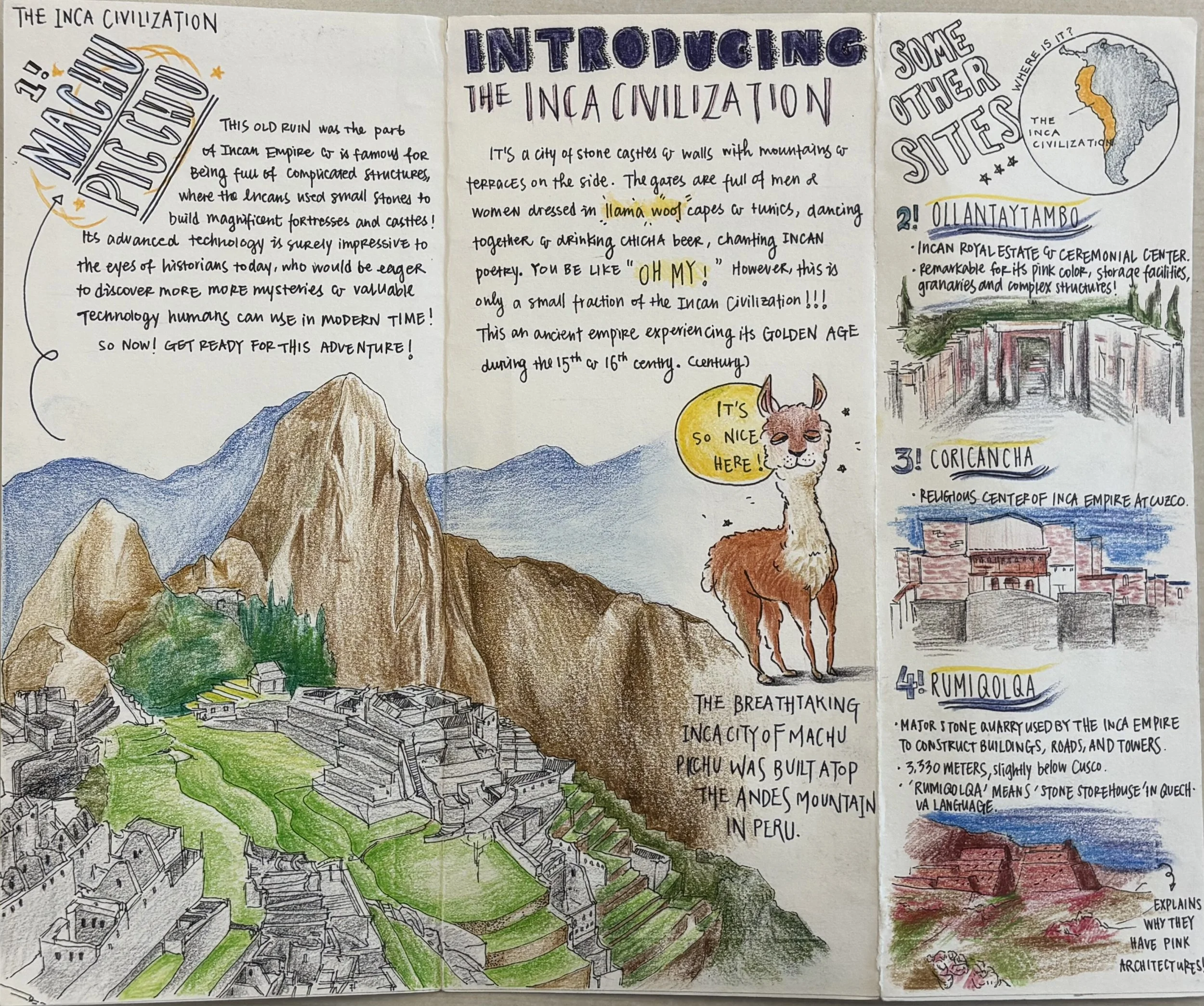
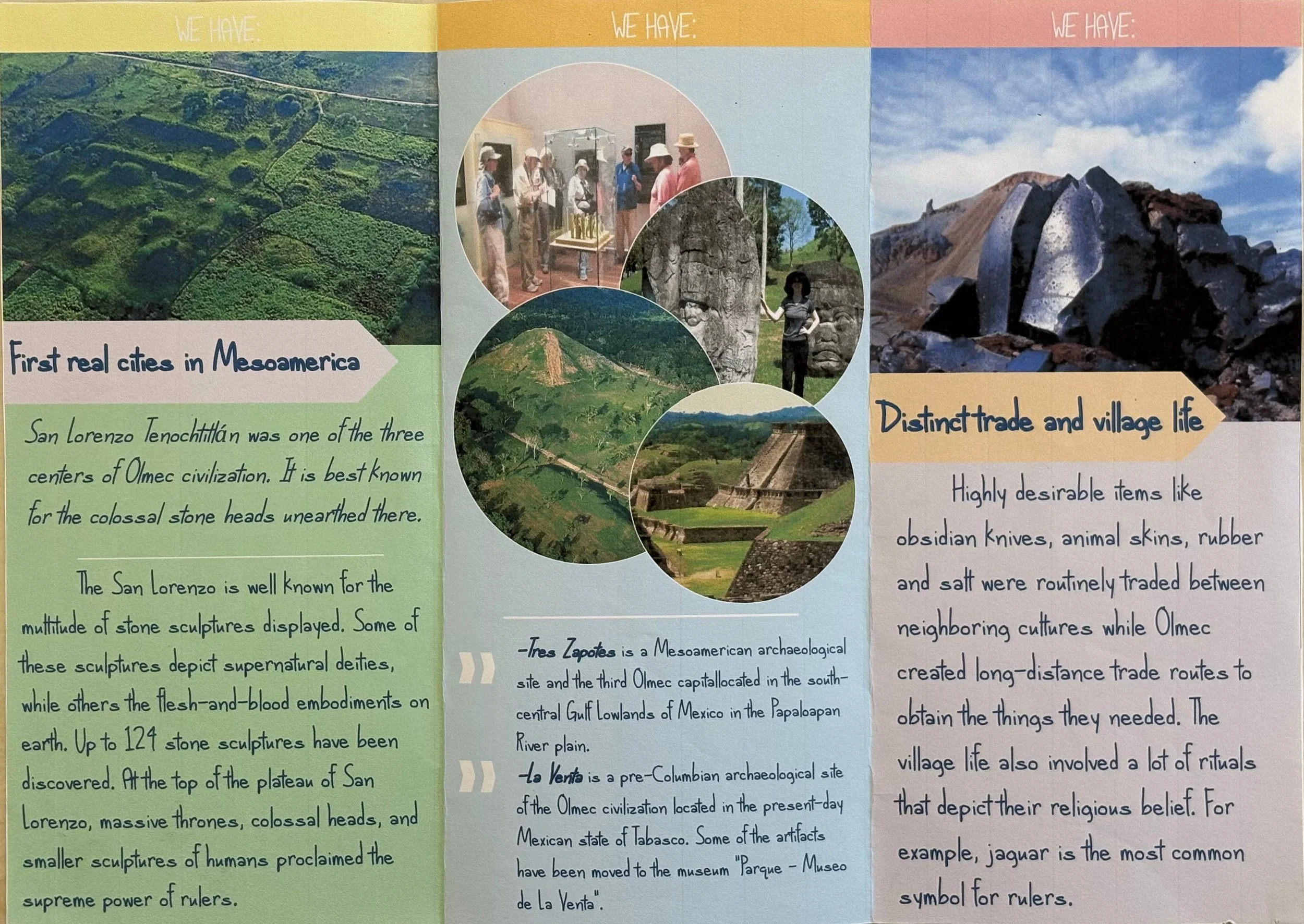
Native American Civilizations Travel Brochures: Inca & Olmec
Research, Audience, & Comparative Civilizations
Student groups researched different civilizations of the Americas and created travel-style brochures introducing their civilization to an outside audience. Students selected significant sites, cultural practices, technologies, geography, trade networks, and other defining characteristics, then translated their research into an accessible visual format. Assigning different civilizations across groups created opportunities for students to teach one another while building a broader comparative understanding of the Americas.
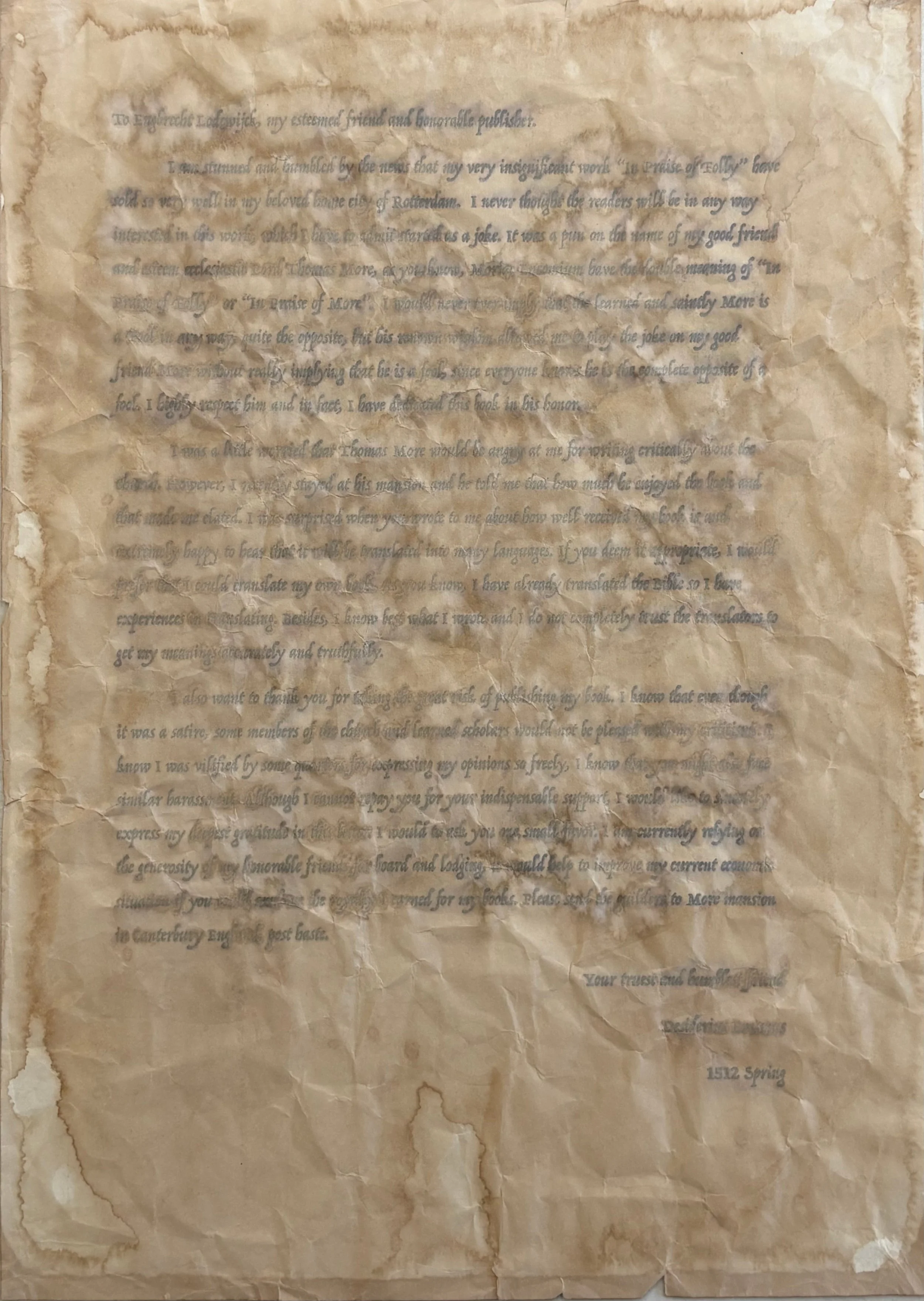
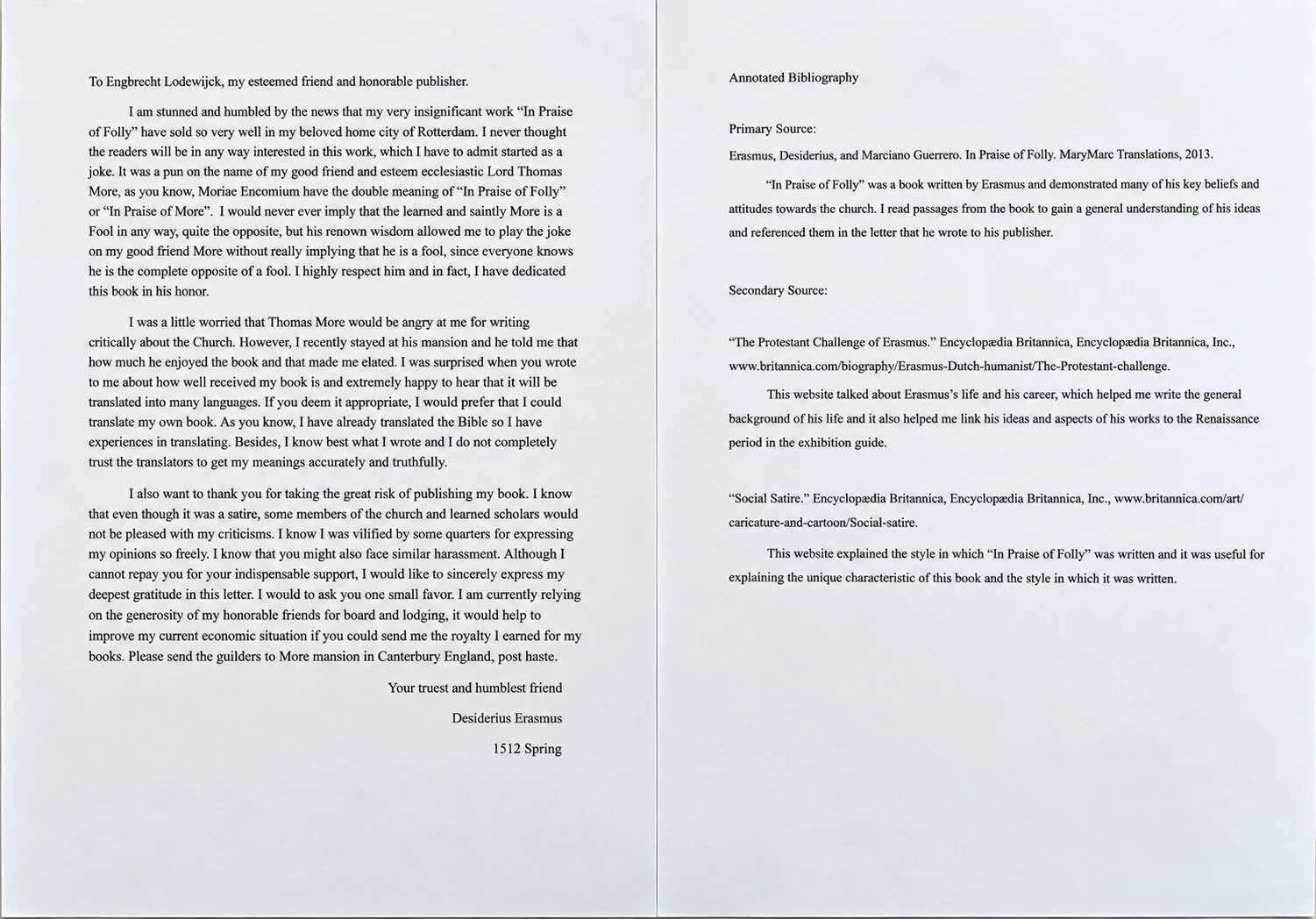
Fictional Primary Source Artifact
Historical Empathy & Source Construction
Students researched a historical figure and then constructed a plausible fictional primary source from that individual's historical perspective. This example recreates a letter by Desiderius Erasmus, supported by an annotated bibliography documenting the research used to construct it. Students were required to distinguish historical evidence from imaginative reconstruction, considering voice, audience, context, beliefs, and purpose. The final artifact was physically aged to resemble a historical document.
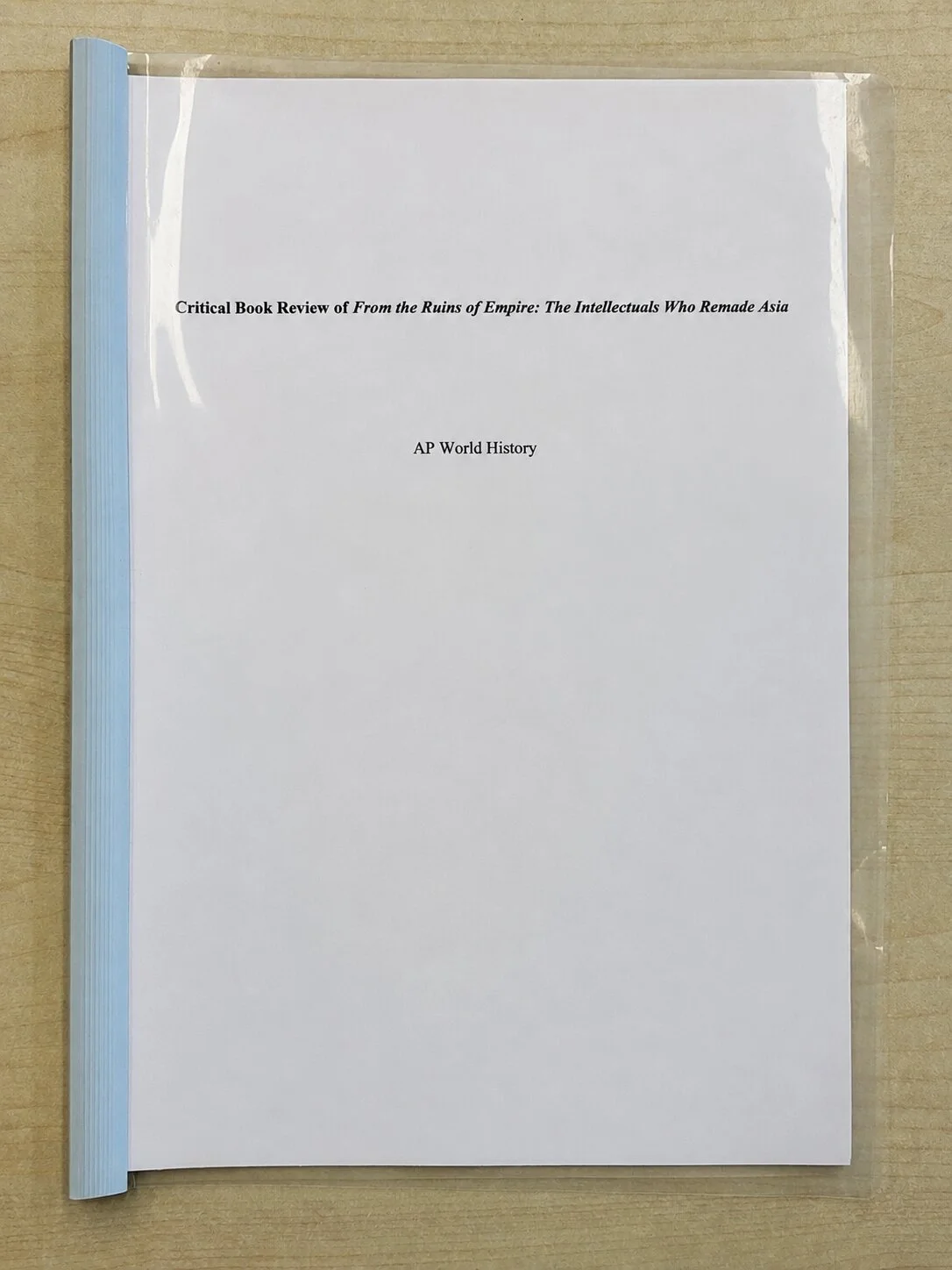
Advanced Historical Research & Historiography
In this AP World History assignment, students moved beyond textbook-based study to engage critically with a substantial work of historical scholarship. Students evaluated the author's argument, use of evidence, perspective, strengths, and limitations while supporting their own analysis through citation and independent research. The assignment emphasized sustained academic reading, historiographical thinking, evidence-based critique, and formal historical writing—skills designed to prepare students for university-level work.